2 hr
Doka Estate Coffee Plantation Tour with Tasting
Journey through Costa Rica's coffee heritage at a working estate with guided tastings and lush gardens
Reserve
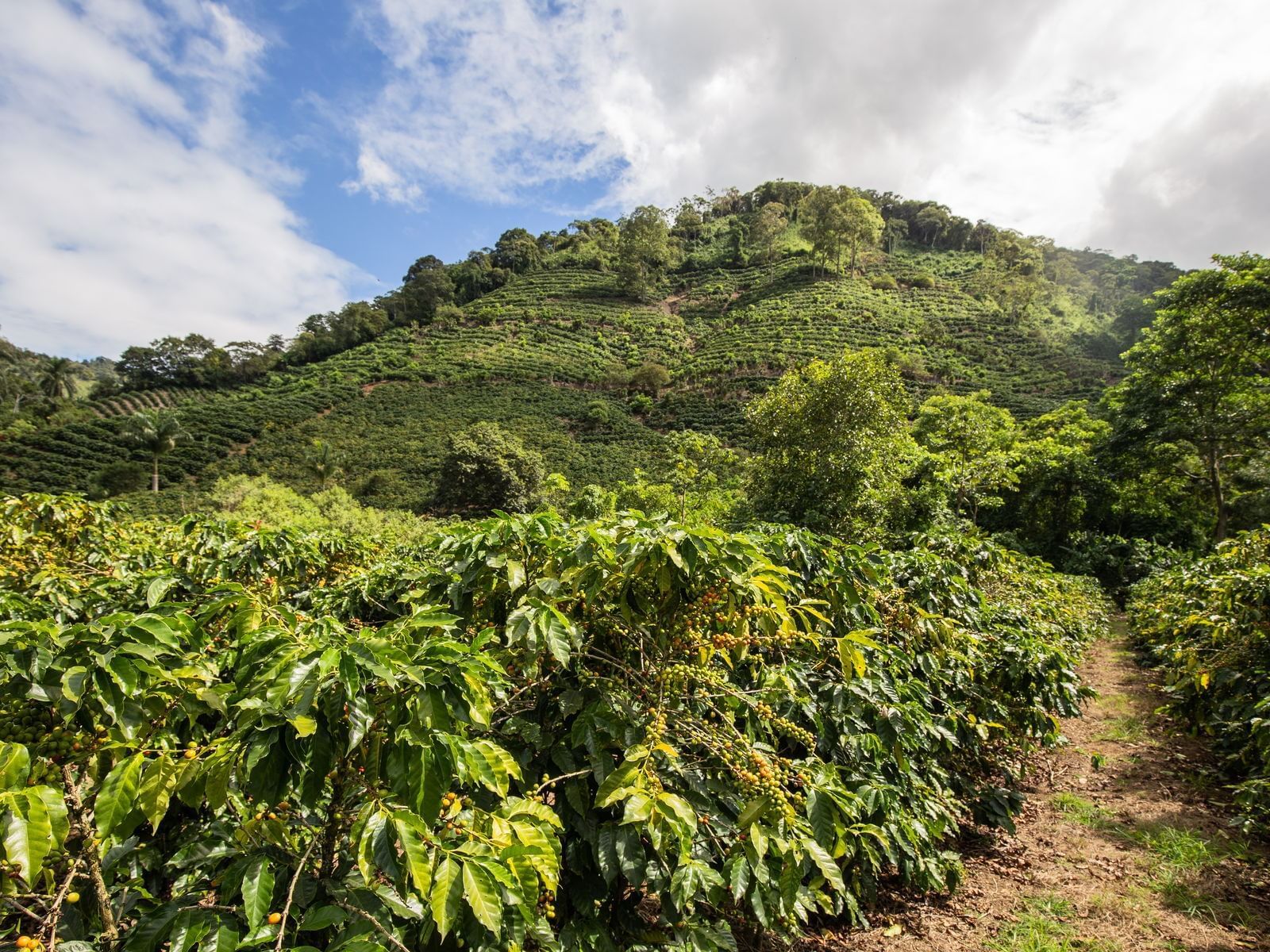
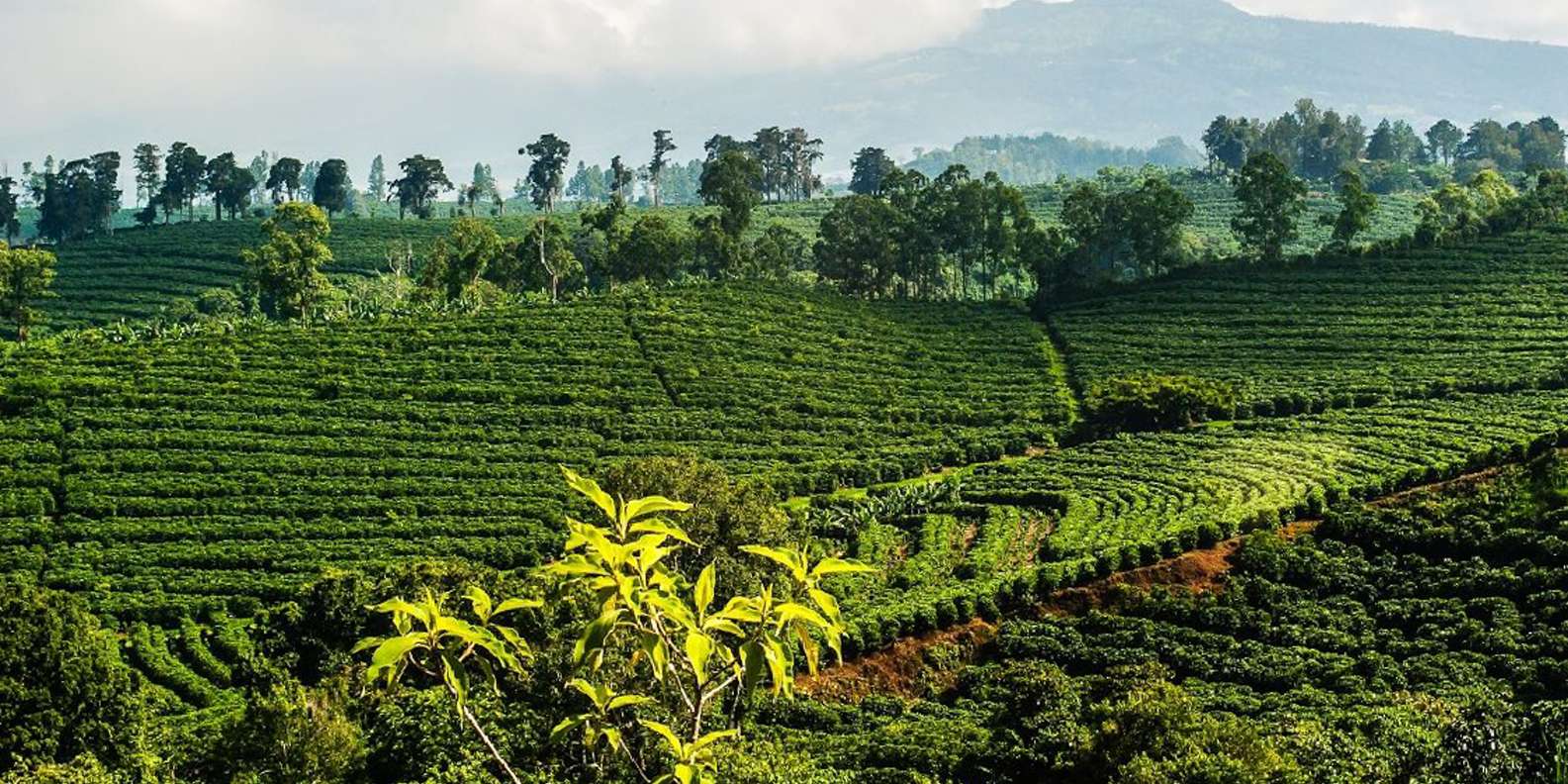
Walk the hillside rows where arabica ripens, taste the terroir in every cup.
Hand-picked by our editors — only the best 3 coffee experiences from 12 reviewed.
Verified partners for Alajuela Coffee tours, free cancellation where available, and instant confirmation on every booking.
2 hr
Journey through Costa Rica's coffee heritage at a working estate with guided tastings and lush gardens
Reserve
2 hr 30 min
Discover bean-to-cup traditions on a working organic farm near Arenal Volcano with tastings included
Reserve
2 hr
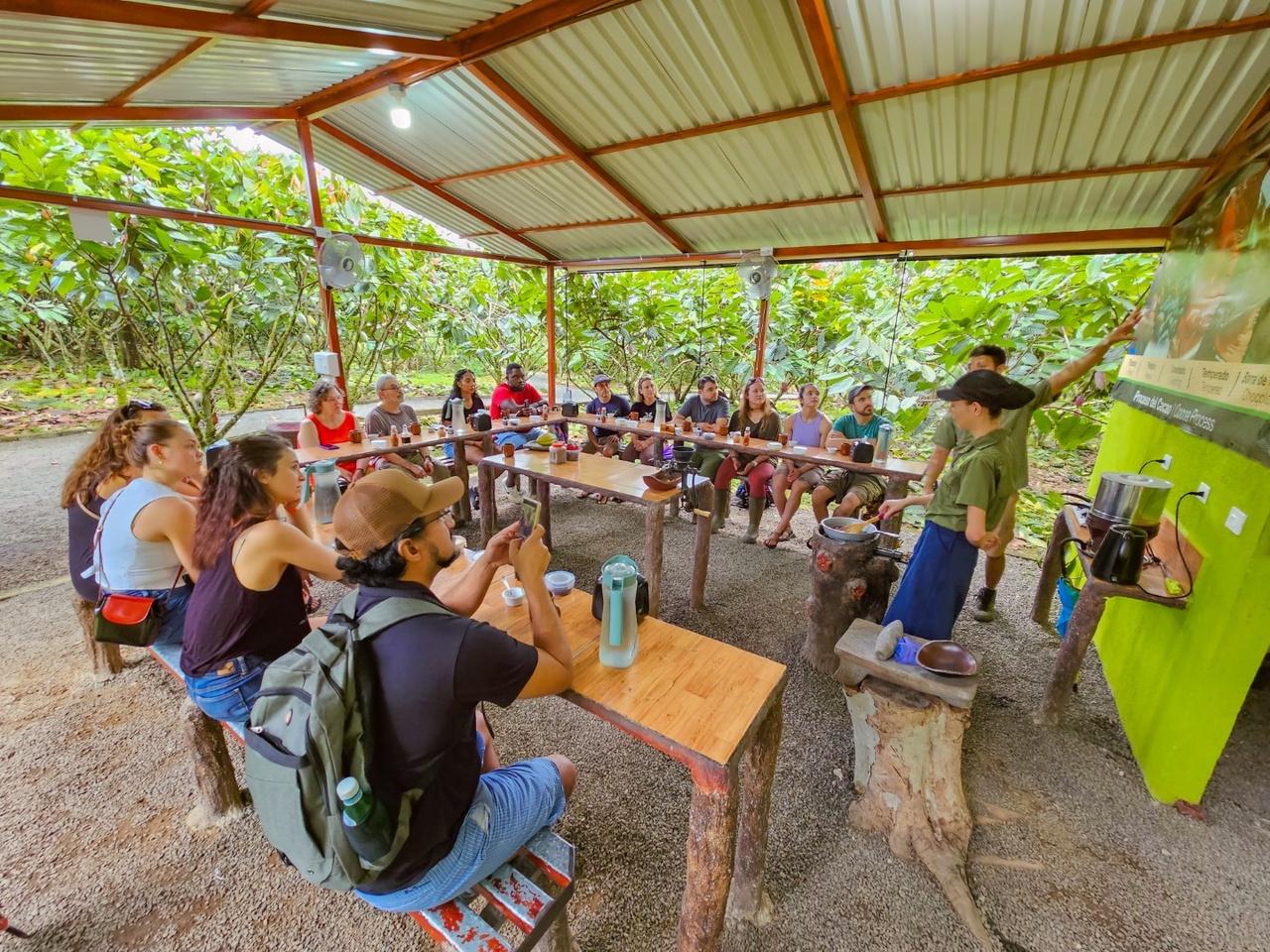
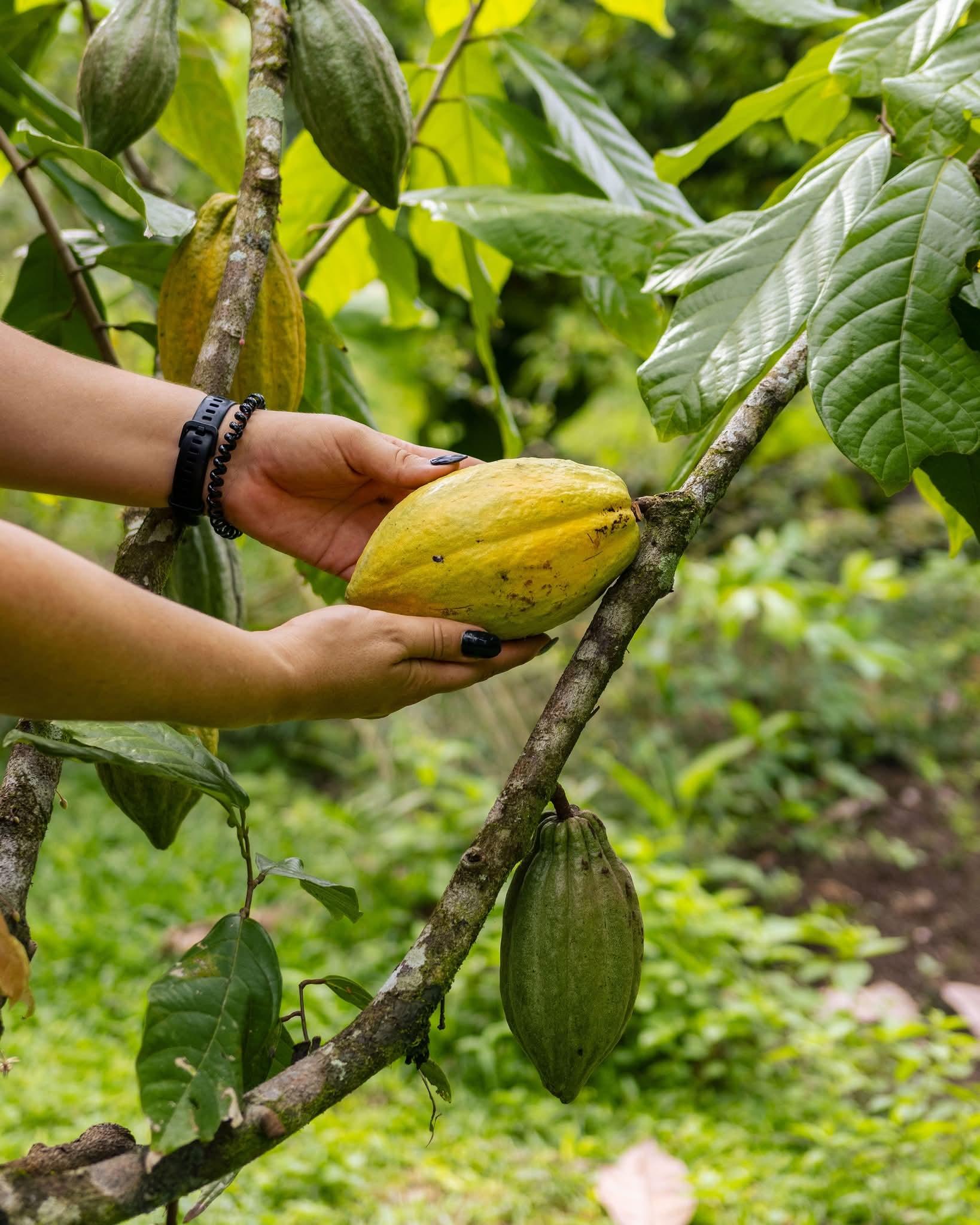
Discover the secrets of Costa Rican stingless bees, cacao, and coffee through tastings and farm exploration
ReservePrices from verified partners. Availability updates in real time at checkout. Free cancellation policies apply where shown.
Every Alajuela Coffee tour side-by-side — duration, what's included, how you redeem.
| Experience | Duration | Rating | Transfers | Guide | Small group | Free cancel. | Price | |
|---|---|---|---|---|---|---|---|---|
|
Standard Entry Most popular
Doka Estate Coffee Plantation Tour with Tasting
|
2 hr | ★ 4.8 | — | ✓ | ✓ | ✓ | €31 | Book → |
|
Standard Entry
North Fields Coffee & Chocolate Farm Tour
|
2 hr 30 min | ★ 4.9 | ✓ | ✓ | — | ✓ | €40 | Book → |
|
Standard Entry
Coffee, Honey & Chocolate Tasting Experience
|
2 hr | ★ 5.0 | — | ✓ | ✓ | ✓ | €49 | Book → |
All prices from verified partners. Availability and exact terms confirmed at checkout.
Doka Estate provides an authentic working farm atmosphere, while the Cafe Britt option focuses on a highly theatrical, commercialized presentation for guests seeking entertainment. Choosing between these alajuela coffee tour tours depends on whether you prefer immersive agriculture or a polished performance.
| Feature | Top pick Doka Estate | Cafe Britt |
|---|---|---|
Experience Type |
Authentic working coffee farm | |
Educational Focus |
Cultivation and milling process | |
Primary Setting |
Slopes of Poas Volcano | |
Accessibility |
Accessible via public roads | |
Production Scale |
Large-scale commercial operation | |
Visitors' Choice |
Preferred for heritage | |
| See tickets → |
Verdict: Those interested in genuine production methods should book alajuela coffee tour tickets for Doka Estate, whereas visitors prioritizing a show-based alajuela coffee tour tour format often select Cafe Britt.
Choose your ticket, select your date, and reserve in under two minutes. Secure checkout handled by our verified partner.
Instant confirmation by email, with a mobile voucher you can save offline. No printing, no queuing at a collection desk.
Arrive at the entrance, show your voucher on your phone, and walk in. Most tickets include priority or skip-the-line access.
Practical details for Alajuela Coffee tickets straight from our verified partners — hours, access, rules, and how to get there.
Sabanilla, Alajuela, Costa Rica
Check in at the gift shop 15 minutes prior to your tour time.
Open in Google MapsFollow signs for Sabanilla from the Alajuela city center; parking is provided on-site.
Request a direct transfer to Doka Estate for the most reliable arrival.
Wear comfortable clothing and sturdy walking shoes suitable for uneven plantation terrain. A light jacket or sweater is recommended due to the cooler temperatures at this elevation.
Small daypacks are permitted on the alajuela coffee tour. Larger luggage should be left in your vehicle or at the designated secure storage area provided by the estate.
Photography is encouraged throughout the alajuela coffee tour, especially within the historic mill and the scenic butterfly garden. Tripods may be used provided they do not obstruct the path for other guests.
The alajuela coffee tour facilities are designed to be accessible to visitors with limited mobility. Most primary pathways between the seedbeds and the roasting plant feature paved or level surfaces.
Mobile phones are permitted for photos and navigation. Please switch devices to silent mode during guided presentations to maintain the experience for all guests on the coffee plantation tour.
Families are welcome, and children often enjoy the butterfly garden exhibit found within the alajuela coffee tour grounds. Please keep younger children supervised during the machinery demonstrations at the wet mill.
The alajuela coffee tour concludes with an extensive tasting session where you can sample various roasts. Additional meals and refreshments are available for purchase on-site at the estate restaurant.
Only registered service animals are permitted on the premises. Pets are not allowed inside the processing plant or the main plantation areas.
The alajuela coffee tour location experiences unique microclimates throughout the day. It is common to encounter intermittent sun and mist, which creates the ideal conditions for high-quality Arabica beans.
Sabanilla, Alajuela, Costa Rica
Check in at the gift shop 15 minutes prior to your tour time.
Get directionsBest time to go, insider tips, nearby landmarks, and the cancellation fine print — flip through to skim what matters to you.
How crowds, weather, and events shift across the year.
March offers clear mornings and minimal rain for walking tours.
Dry weather in April provides the clearest views of the volcano.
September can see afternoon showers, so prioritize morning time slots.
December features lush landscapes and cooler temperatures for comfortable exploration.
Small details that turn a good visit into a great one.
Reserve your alajuela coffee tour tickets online at least one week in advance during peak season.
The weather is consistently clearest from 09:00–11:00 for plantation photography.
The elevation at the coffee farm makes it significantly cooler than the surrounding lowlands.
Guides are local experts; ask about the specific harvesting techniques used on this farm.
The unlimited tasting session at the end of the tour includes multiple distinct roasts.
Non-bookable sights within a short walk — free to visit, easy to pair.
A massive active crater featuring fumaroles and a blue lagoon.
A scenic crater lake accessible via a short hike within the national park.
Extensive walking trails featuring five major waterfalls and wildlife exhibits.
A town famous for traditional hand-painted oxcarts and woodcrafts.
Flexible, no hidden fees.
Full refunds are available for cancellations made at least 24 hours in advance. Please ensure your reservation covers the 20 USD minimum fee for basic coffee tour access per person.
Hand-picked options within walking distance — pick a district for vibe, or a specific hotel for convenience.
Secluded estate villas overlooking the Central Valley.
Various historic homes converted into charming city guest houses.
Convenient options near the airport and transport hubs.
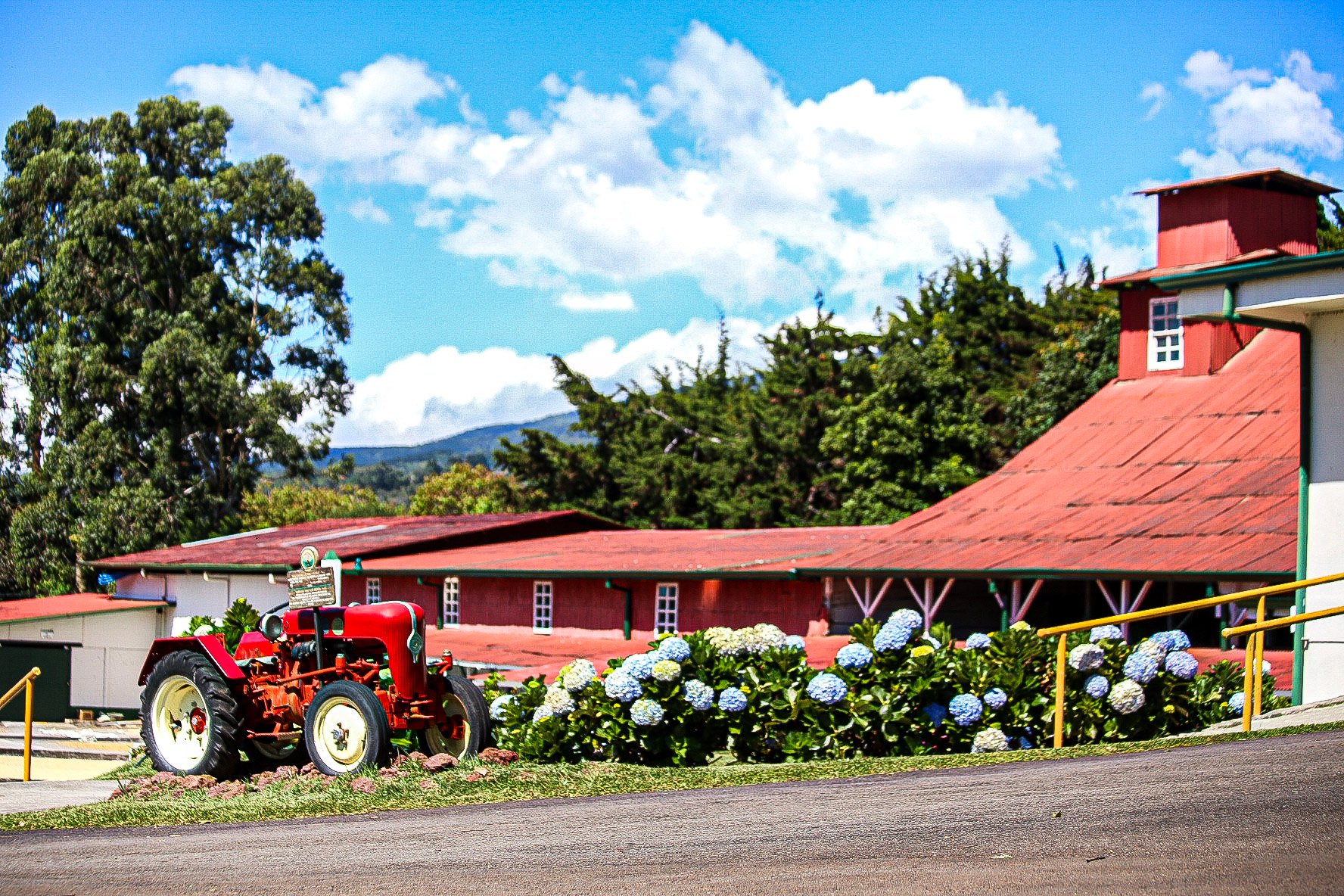
Doka Estate has milled arabica beans on the same Sabanilla hillside since 1931, making it one of Central America's oldest continuously operating coffee mills still powered by its original water turbine. The 2.
5-hectare plantation sits at 1,200 metres elevation in the Central Valley's volcanic soil belt, where temperature swings between 18 and 24 degrees Celsius create the slow maturation that defines Costa Rican SHB—Strictly Hard Bean—grading. Visitors see the full beneficio húmedo process: depulping machines strip the cherry, fermentation tanks break down mucilage over 18 hours, and sun patios dry parchment to 11 percent moisture before the mechanical huller reveals the green bean.
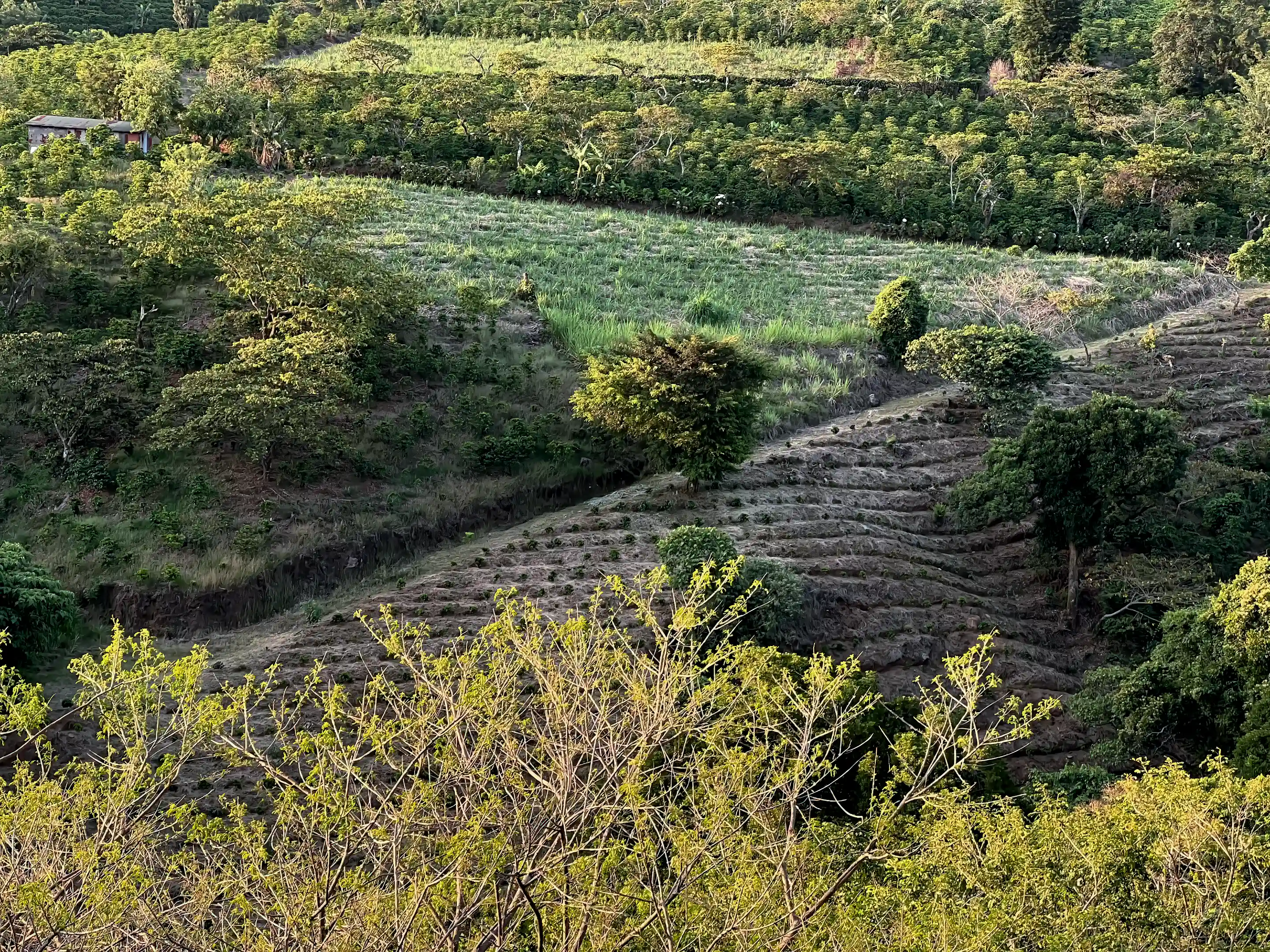
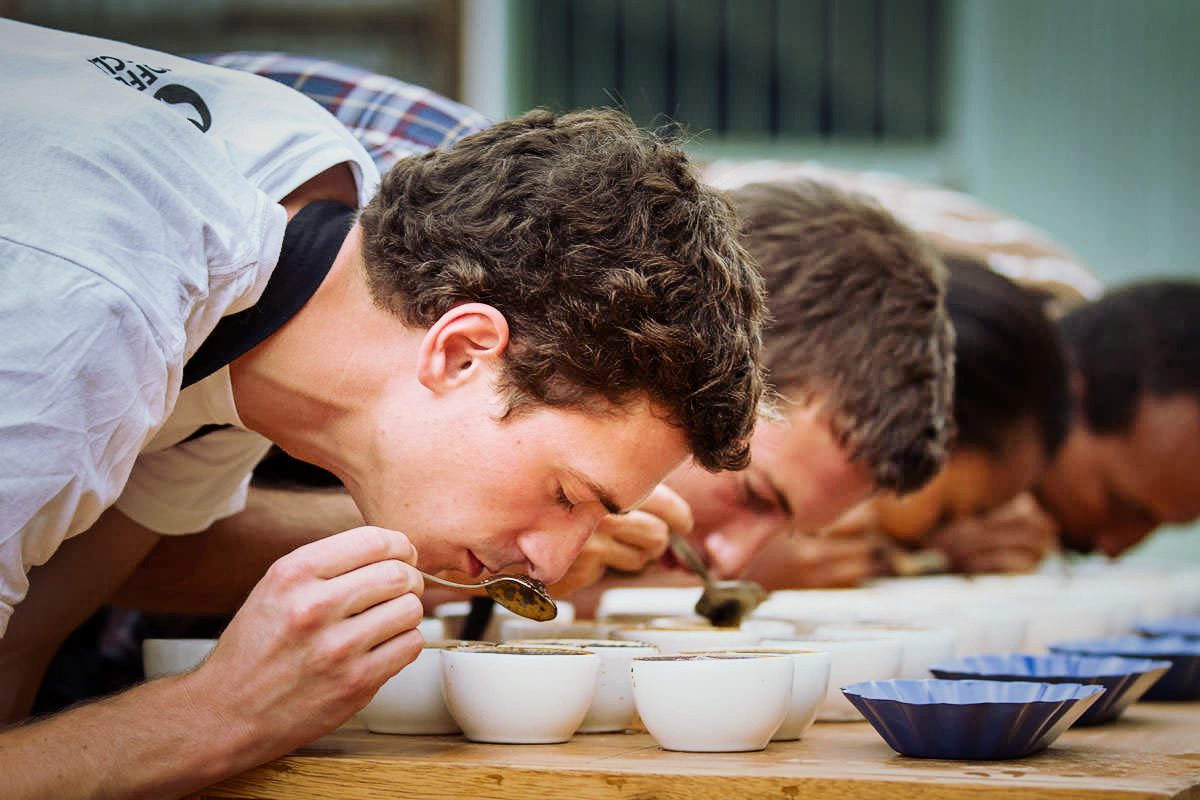
The estate belongs to the third generation of the Vargas family, who converted a colonial-era hacienda into a working museum in 1998. Original belt-driven sorters and hand-cranked roasters line the mill floor, and guides explain how cupping protocol—slurping from porcelain spoons to aerate the liquid—reveals defects invisible to the eye. The plantation grows Caturra and Catuai varietals, both descendants of the Bourbon line introduced to Costa Rica in 1779. Shade trees—poró, guaba, and citrus—intersperse the rows, reducing direct sun and extending the harvest window from November through February. This Alajuela coffee plantation guided tour with tasting allows visitors to follow a single cherry from branch to brewed cup, a vertical integration rare among commercial farms that sell parchment to centralized dry mills.
The estate roasts daily in small batches, adjusting time and temperature to accentuate varietal character: Caturra develops bright acidity, Catuai leans toward chocolate and almond. Cupping sessions compare the same bean roasted to city, full city, and French levels, demonstrating how caramelization masks or amplifies origin. The Alajuela Costa Rica coffee tour includes a walk through the secaderos—raised drying beds where workers rake parchment every two hours to prevent mold—and ends at the tasting counter, where guides pour three single-origin brews and explain the cupping wheel's flavor categories. No two harvests taste identical; rainfall, pruning cycles, and fermentation duration all shift the cup profile, a variability that distinguishes estate coffee from blended supermarket grounds.

"No two harvests taste identical; rainfall, pruning cycles, and fermentation duration all shift the cup profile."
A step-by-step walkthrough of Alajuela Coffee tickets — what you'll see, how long each stage takes, and the details that matter.
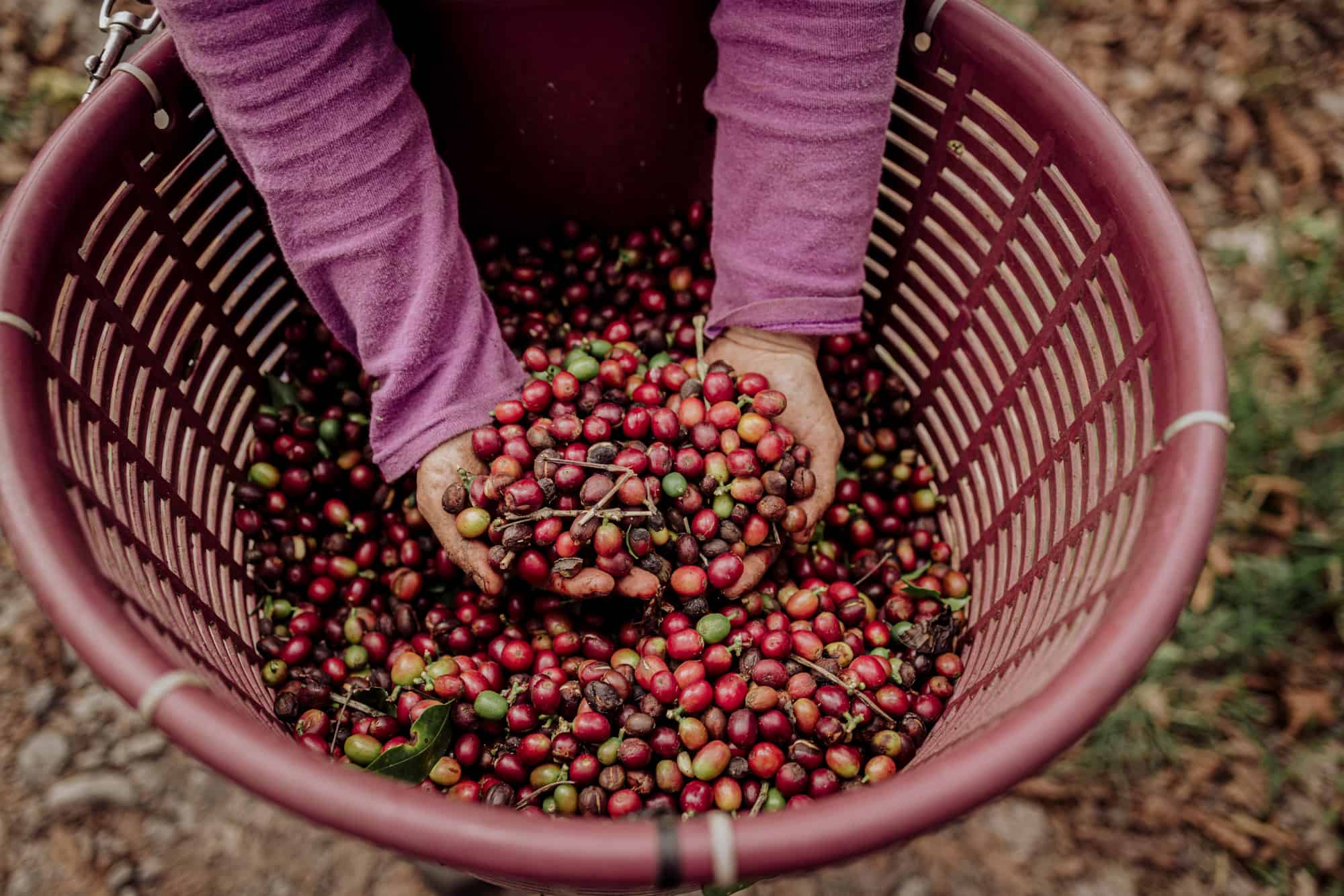
You arrive mid-morning when mist still clings to the upper rows and workers move between the coffee plants with wicker baskets, pinching only the red cherries that yield at the stem. Your guide leads you past the beneficio, where a century-old waterwheel turns the depulping drum, and into the fermentation shed.
The air smells yeasty. You peer into concrete tanks where yesterday's harvest sits submerged, the mucilage breaking down into a slick film that workers will rinse away at dawn.
On the drying patio, you walk between raised beds of parchment coffee, each lot tagged with harvest date and varietal. Your guide hands you a green bean, still encased in its papery husk, and explains the moisture target before milling. Inside the roastery, you watch a small batch tumble in the drum, the beans shifting from straw yellow to caramel brown in eight minutes. The crack—a sharp pop like distant fireworks—signals the start of caramelization.
At the cupping table, you taste three roasts of the same Caturra lot, slurping from wide spoons to coat your palate. The lightest roast tastes of lemon zest and jasmine. The darkest turns smoky, almost charred. Between sips, you nibble plain crackers to reset your tongue.
The alajuela coffee tour is open Monday–Friday 09:00–15:30 and Saturday–Sunday 09:00–14:30.
Yes, the coffee plantation tour is designed with paved routes to be wheelchair accessible.
Small daypacks are allowed, though secure storage is recommended at the alajuela coffee tour entrance.
Photography is allowed throughout the alajuela coffee tour, including the historic wet mill and garden areas.
The best time for an alajuela coffee tour is during the dry season, specifically from December through April.
Dress in comfortable, layered clothing as the alajuela coffee tour is located at a high, cool elevation.
While you cannot bring outside food, the alajuela coffee tour includes a comprehensive tasting and has a restaurant on-site.
You can reach the alajuela coffee tour by car or taxi from Alajuela, located at Sabanilla, Alajuela, Costa Rica.
Families are welcome, and children often find the butterfly exhibit at the alajuela coffee tour quite engaging.
You can receive a full refund if you cancel your alajuela coffee tour tickets at least 24 hours before your scheduled time.
Most visitors enjoy combining the alajuela coffee tour with a visit to the nearby Poás Volcano National Park.